Best Chairs for a Dorm Room in 2026: Desk Chair, Floor Chair, and What to Skip
The chair that comes with your dorm desk is usually bad. Here's what to replace it with, or add to the room, depending on how you use your space.
In this article
The standard dorm desk chair, typically a basic wooden or plastic chair with no adjustment and minimal padding, is fine for a 20-minute meal but starts to hurt after an hour of studying.
If you spend real time at your desk, it’s worth having a better option. Here’s what to consider. For more on the full desk setup, see Dorm Room Desk Setup.
I ended up using my desk a lot more than I expected to, once the desk was clear and the lighting was right, I actually wanted to sit there and work. The chair being comfortable made long study sessions possible. An adjustable chair that let me set the right height for the desk made a noticeable difference by midterms.
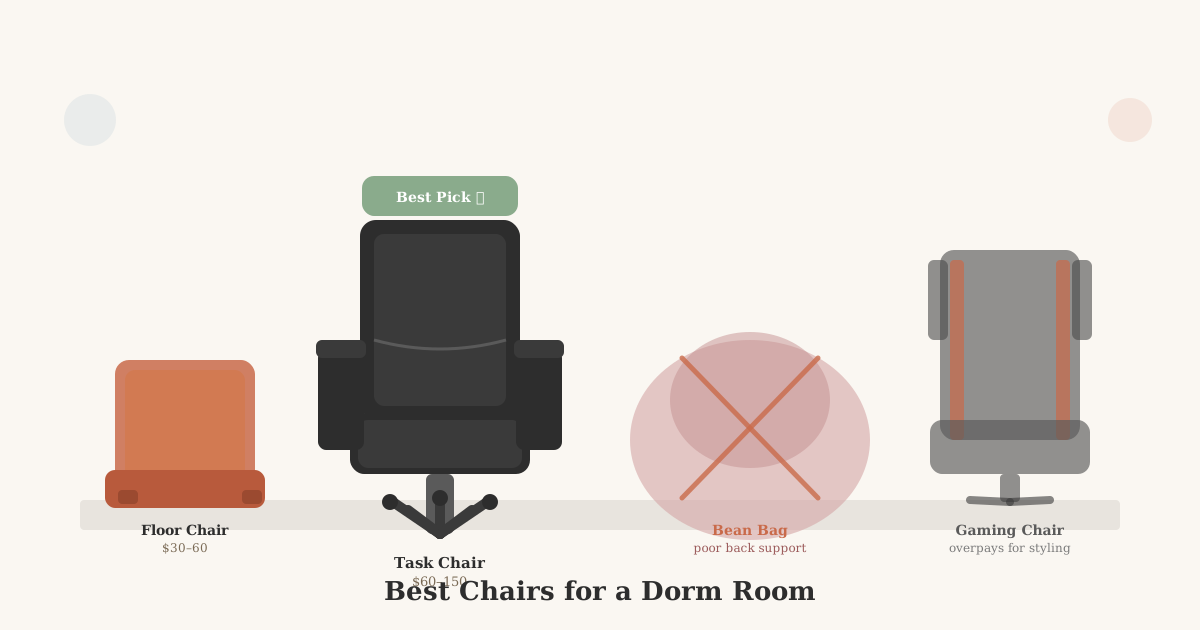
Quick answer: If you spend significant time at your desk, a basic ergonomic task chair ($60–$100) with adjustable height and lumbar support is worth it. You don’t need to spend more than that. For a second seating option, a foldable floor chair with back support ($30–$60) stores flat under the bed when not in use. Skip large bean bags and gaming chairs: both take up more space than they justify and don’t improve study comfort. The dorm chair that comes with your room stays in the room. Move it aside, don’t remove it from the building.
Option 1: Ergonomic Task Chair ($60–150)
The best choice for the primary study chair. An ergonomic task chair has:
- Adjustable seat height, so your feet are flat on the floor and your elbows are at desk height
- Lumbar support, a curve or adjustable support for the lower back
- Padded seat, even basic foam padding is significantly more comfortable than hard plastic over 2+ hours
- Armrests (optional), useful for keyboard work, but armrests that are too high create shoulder tension
You don’t need an expensive Herman Miller to get a usable task chair. A basic adjustable mesh or padded chair in the $60–100 range from a recognizable brand handles 90% of what a $500 chair does for study sessions.
What to look for on a dorm desk specifically:
- Check your desk height and adjust the chair so your forearms are roughly parallel to the desktop
- Make sure the chair rolls smoothly on your floor type (carpet vs. hard floor; hard caster wheels work on both)
→ Shop ergonomic task chairs on Amazon
Option 2: Compact Task Chair ($40–70)
A smaller, simpler adjustable chair without all the ergonomic features. Suitable for students who study in shorter sessions or share the desk with lighter use.
Best for: Students who use the campus library for long sessions and just need a functional chair in the room for shorter work.
Trade-offs: Less adjustability, less lumbar support, typically narrower seat. But takes up less space and is significantly cheaper.
→ Shop compact desk chairs on Amazon
Option 3: Floor Chair with Back Support ($30–60)
A floor chair (also called a floor rocker, gaming floor chair, or stadium-style seat) sits directly on the floor and provides back support for sitting on a bed or the floor. It’s not a desk chair. It’s a secondary seating option that makes the bed more usable for reading or casual work.
Best for: Students who like reading or casual laptop use on their bed, students who want a second seating option for when a guest visits, or rooms with limited floor space where a second full chair won’t fit.
What to look for:
- Adjustable recline angle
- Padded back and seat
- Foldable (stores flat under the bed or in a closet when not in use)
→ Shop floor chairs with back support on Amazon
Option 4: Small Accent Chair ($80–200)
A small upholstered or wooden armchair gives the room a second sitting area and makes the space feel more like a room than a study cell. Works in rooms with enough floor space, not practical in rooms under 150 square feet.
Best for: Larger dorm rooms (suites, single rooms, or larger double rooms) where there’s floor space for a chair that doesn’t double as a desk chair. Creates a reading nook or relaxed sitting area separate from the desk.
Trade-offs: Takes up more space than any other chair type. Harder to move and store. Requires more floor plan consideration.
What to Skip
Large bean bags. Comfortable for 20 minutes, bad for posture during longer use, and they take up more floor space than their size suggests. A smaller floor chair with actual back support is more practical in most dorm rooms.
Gaming chairs. Gaming chairs are designed for the gaming market and often have aggressive styling that dominates a small room. They tend to be larger than necessary for desk use, and the price premium buys features (racing-seat aesthetics, neck pillows) that don’t improve study comfort. A basic ergonomic task chair at the same price is more comfortable and more versatile.
Bringing two chairs. The provided dorm chair stays in the room. You can move it but shouldn’t remove it. Adding one better chair is useful; having three chairs in a 12×12 foot room creates a furniture problem.
Space Considerations
Before buying any chair, think about where it will go when you’re not using it:
- Task chairs roll under the desk when not in use, minimal floor impact.
- Floor chairs fold flat and slide under the bed or into the closet.
- Accent chairs don’t stow. They occupy floor space permanently.
In a small dorm room, the desk chair rolling under the desk is its own storage position. A second seating option should fold or fit somewhere specific, not just end up in the middle of the floor.
Key Takeaways
- For extended study sessions, a basic ergonomic task chair ($60–$100) with adjustable height and lumbar support makes a significant difference. You don’t need to spend more than that.
- You don’t need a premium chair, a basic adjustable mesh or padded chair at $60–$100 handles 90% of what a $500 chair does for study use.
- Foldable floor chairs ($30–$60) are the best second-seating option. They provide back support for bed use and store flat under the bed when not in use.
- Skip large bean bags, poor back support for anything over 20 minutes and they occupy more floor space than they appear to.
- Gaming chairs add size and racing-seat styling without improving study comfort; a basic task chair at the same price is more practical.
- The provided dorm chair stays in the room. You can move it aside but it remains part of the room’s furniture inventory.
- Task chairs roll under the desk when not in use, minimal permanent floor footprint.
For more on your desk setup, see How to Set Up a Dorm Room Desk That Actually Works and Dorm Room Desk Accessories That Actually Help.
Related Dorm Guides
- Dorm Room Desk Setup, full desk setup guide including ergonomics, monitor positioning, and layout
- Dorm Desk Accessories, laptop stands, organizers, and cable management for the desk
- Dorm Room Gaming Setup, if you’re also looking for a chair that handles both gaming and studying
- Dorm Room Layout Ideas, how to position the desk and chair in different dorm room configurations
- Best Dorm Room Chairs and Floor Seating. This guide
- Dorm Room Ideas for Guys, desk and chair setup ideas in the context of a full room design
Frequently Asked Questions
- Most dorms provide a basic desk chair, often a plastic or wood chair with minimal padding. These work functionally but become uncomfortable after an hour of studying. Many students bring or buy a better chair, especially if they spend significant time at their desk. Check your housing information to confirm what furniture is provided before purchasing.
- An ergonomic task chair with adjustable height, lumbar support, and some padding is the best option for long study sessions. It doesn't need to be expensive, a basic adjustable desk chair in the $60–100 range is significantly more comfortable than the standard dorm chair for extended use. For casual seating, a floor chair or small accent chair gives the room a second seating option.
- Yes. You can bring or buy your own desk chair for a dorm room. The provided chair stays in the room (you shouldn't remove it, as it's part of the furniture inventory), but you can move it aside and use your own. If you bring a desk chair that takes up significant space, think about where it will go when you're not at the desk.
- Bean bags are comfortable for short periods but offer poor back support for studying. They're best as a secondary seating option, a place to read casually or hang out, rather than a primary study chair. The bigger issue for dorm rooms is size: large bean bags take up significant floor space in rooms that rarely have it to spare. A smaller floor chair with back support is more practical.
Do dorms provide desk chairs?
What kind of chair is best for studying in a dorm room?
Can you bring your own chair to a dorm room?
Are bean bag chairs good for dorm rooms?