How to Set Up a Dorm Room Snack Station
A well-organized snack station means you eat better, spend less on campus food, and stop losing mini fridge space to mystery items. Here's how to set one up.
In this article
Campus dining halls have limited hours. Campus cafes charge $6 for a granola bar and a coffee. A dorm room snack station takes about 20 minutes to set up and saves a meaningful amount of money and frustration over a semester.
Here’s how to set one up well in a small space. For the appliance that makes a snack station most useful, see the Dorm Room Coffee Setup, the electric kettle is the centerpiece of both.
All three of us kept snacks in the room throughout the year, granola bars, instant oatmeal, protein bars, microwave popcorn, instant noodles. Dining halls close. Finals happen. You get hungry at 11pm on a Tuesday. Having something in the room meant one less decision on hard days. The snack situation isn’t a luxury. It’s a practical part of daily dorm life.
Quick answer: Pick one dedicated spot, top of the mini fridge, a single shelf, or one drawer, and keep everything there consistently. Stock shelf-stable items (nuts, bars, crackers, instant oatmeal) as the bulk of your supply, and keep the mini fridge section small and rotated. Transfer opened bags to airtight containers immediately to prevent staleness and bugs. Stock 1–2 weeks at a time rather than a semester’s worth, space is limited and tastes change. An electric kettle is the most useful appliance add; it handles oatmeal, ramen, tea, and instant soups without needing a microwave.
Step 1: Pick Your Location
The snack station needs a dedicated spot, not just a random corner of your desk or a bag on the floor. Common options:
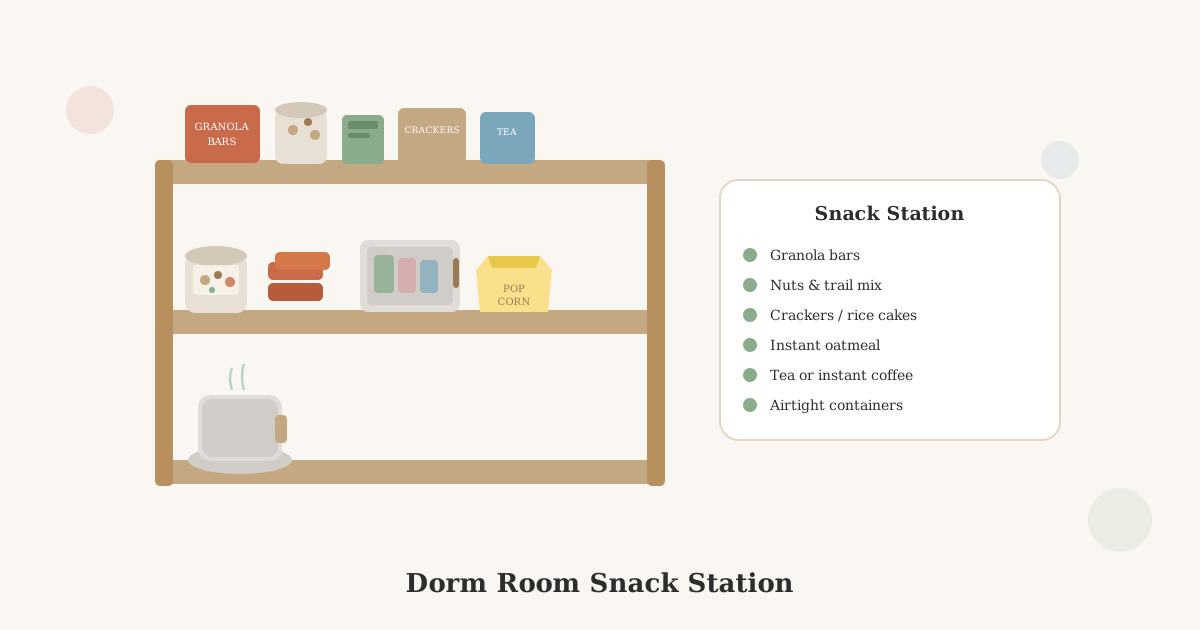
A dedicated shelf. The top shelf of a bookcase, a floating shelf above the desk, or a freestanding shelf unit. Keeps food visible and off surfaces you use for studying.
A section of the mini fridge top. The flat top of a mini fridge is often unused. A small tray or bin here corrals shelf-stable snacks neatly.
A cubby or drawer. One drawer entirely for food keeps snacks out of sight but organized. Works well if counter space is limited.
A hanging organizer. An over-the-door pocket organizer can hold snack bars, packets, and small items without taking up any floor or surface space.
Whatever you pick, keep it consistent. Snacks scattered across three different surfaces create clutter and lead to forgotten food.
Step 2: Separate Shelf-Stable from Refrigerated
Shelf-stable snacks (no refrigeration needed):
- Nuts and trail mix
- Granola bars and protein bars
- Crackers and rice cakes
- Nut butter packets or small jars
- Dried fruit
- Instant oatmeal packets
- Ramen noodles and instant soups
- Popcorn
- Jerky and meat sticks
- Dark chocolate
- Tea, coffee packets, hot cocoa
These are the bulk of your supply and the easiest to manage.
Refrigerated snacks (mini fridge):
- Yogurt
- String cheese and cheese sticks
- Hard-boiled eggs
- Fresh fruit
- Hummus cups
- Deli meat
- Leftovers from the dining hall (grab extra fruit, bread, or snacks that travel well)
Keep the refrigerated section organized with a small bin or clear container. It prevents the mini fridge from becoming a mystery zone of unrecognizable items.
Step 3: Use Containers for Opened Items
This is the step most people skip and then regret. An opened bag of crackers left clipped shut goes stale in a week and takes up awkward space. Transfer opened snacks to:
- Airtight jars for nuts, trail mix, crackers, granola
- Small bins for bars and packets (easy to see what’s in stock)
- Zip-lock bags for partial bags you’re actively eating from
Clear containers are useful because you can see when you’re running low without digging through a bin.
Step 4: Stock It Smart
Buy a 1–2 week supply, not a semester’s supply. Space is limited, food expires, and your tastes change. A good starting stock:
- 2–3 types of bars (different flavors to prevent boredom)
- 1 bag of nuts or trail mix
- Crackers or rice cakes
- Instant oatmeal (cheap, fast, filling)
- Tea or instant coffee
- Something sweet in small quantities (chocolate, fruit snacks)
- 1–2 items that work as a light meal (ramen, instant soup)
Restock weekly or every two weeks rather than buying everything at once.
Appliances That Help
Electric kettle. The single most useful appliance for a snack station. Instant oatmeal, ramen, instant soups, tea, cocoa, all become options. Nearly universally allowed in dorms. See Dorm Room Coffee Setup for more on kettle options.
Mini fridge. Expands what you can keep significantly. Check your school’s policy, most allow a dorm-specific size (usually 3.2 cu. ft. or under). See Best Mini Fridge for a Dorm Room.
Microwave (if allowed). Opens up oatmeal, frozen burritos, soup, leftovers. Check policy before buying.
Keeping It Clean
A neglected snack area becomes a bug-attraction zone. A few habits prevent this:
- Transfer opened items to airtight containers immediately
- Wipe down the shelf or surface weekly
- Throw out anything past its best-by date on restocking day
- Don’t store fruit in open bowls for more than a few days in a warm room
- Check the mini fridge every week for items that should be tossed
What to Skip
A toaster. Most schools prohibit them. Even where allowed, a toaster takes up significant counter space for a single use case.
A hot plate or open-element cooker. Almost universally prohibited. The electric kettle covers most of what a hot plate would do for snacks anyway.
Buying in bulk before you know what you like. A semester’s worth of a protein bar brand you haven’t tried before is a bad investment. Start small, figure out what you actually eat, then buy in slightly larger quantities of those specific items.
Key Takeaways
- One dedicated spot, not three, snacks scattered across multiple surfaces create clutter and lead to forgotten, expired food.
- Shelf-stable items are the bulk (nuts, bars, crackers, instant oatmeal); the refrigerated section should be smaller and rotated regularly.
- Transfer opened bags to airtight containers immediately, an opened bag of crackers goes stale within a week and attracts bugs.
- Stock 1–2 weeks at a time, not a semester’s worth, space is limited, tastes change, and food expires quietly.
- An electric kettle is the highest-value appliance. It unlocks oatmeal, ramen, instant soups, tea, and cocoa without needing a microwave.
- Skip the toaster and hot plate, most schools prohibit both; the kettle covers most of the same use cases for snacks.
- Wipe the shelf weekly and toss expired items on restocking day; a neglected snack area attracts pests in a shared building.
For more ideas on setting up a functional dorm room, see Dorm Room Layout Ideas and Cozy Dorm Room Ideas on a Budget.
Related Dorm Guides
- Dorm Room Coffee Setup, electric kettle options that power your snack station appliance needs
- Best Mini Fridge for Dorm Rooms, choosing the right fridge size for your refrigerated snack storage
- Dorm Room Smell Fresh, proper snack storage prevents one of the main dorm odor sources
- Best Budget Dorm Finds, affordable storage and organization items for your snack area
- Dorm Room Storage Ideas, broader storage approach that includes snack and food organization
- Complete Freshman Dorm Checklist, full move-in list including appliance policies and food storage
Frequently Asked Questions
- Shelf-stable snacks that don't need refrigeration are best for the bulk of your supply: nuts, granola bars, crackers, dried fruit, nut butter packets, oatmeal packets, popcorn, and jerky. These stay fresh for weeks, don't require appliances, and are easy to grab between classes. Keep a smaller refrigerated selection for items like yogurt, string cheese, fruit, and leftovers.
- It depends on your school. Many schools prohibit personal microwaves in individual rooms but have shared microwaves in common areas or kitchenettes. Some schools allow a combo microwave-fridge unit. Check your housing policy before buying. If personal microwaves are prohibited, a electric kettle handles a lot of the same quick-prep needs (oatmeal, ramen, instant soups).
- Airtight containers are the key. Opened bags of crackers, cereal, or snacks left in their original packaging go stale quickly and attract bugs. Transfer opened items to airtight jars or containers. Keep snacks away from direct sunlight and heat sources. A small bin or drawer dedicated to shelf-stable snacks keeps everything together and visible.
- Enough for 1–2 weeks. More than that takes up too much space and leads to forgotten, expired food. Focus on items you actually eat regularly and rotate your supply. Use older items first, restock as you go. This is more efficient than buying in bulk and storing a semester's worth of food at once.
What snacks are good for a dorm room?
Can you have a microwave in a dorm room?
How do you keep food fresh in a dorm room?
How much food should I keep in my dorm room?