
Dorm Room Rug Guide: Right Size, Best Materials, and What to Avoid
A rug makes a dorm room feel like yours, but the wrong size or material becomes a problem by October. Here's what to know before you buy one.
In this article
Dorm room floors are usually cold, hard, and institutional. A rug is one of the cheapest changes you can make that has an immediate effect on how the room feels, warmer, quieter, more personal.
The problem is that most students either buy the wrong size or pick a material that becomes a cleaning problem by October. Here’s what to actually look for before you buy. For the full picture of what makes a dorm room feel comfortable, see How to Make a Dorm Room Feel Like Home.
I bought a rug before I’d seen the room and got the size wrong. It was too small and looked awkward, floating in the middle of the floor instead of anchoring the space. I replaced it the second semester with one I’d actually measured for. The size matters more than the design. A well-sized plain rug looks better than a beautiful one that’s the wrong size.
Quick answer: For most dorm rooms, a 5×7 polypropylene rug is the right call. It covers enough floor to make a visible difference, handles spills without soaking them in, and won’t fight with furniture or your roommate’s setup. Measure the floor before you order. A rug that’s even one size off looks wrong immediately.
Size: The Most Important Decision
The biggest rug mistake in a dorm room is buying the wrong size. Too small and it looks like a bath mat. Too large and it fights with the furniture.
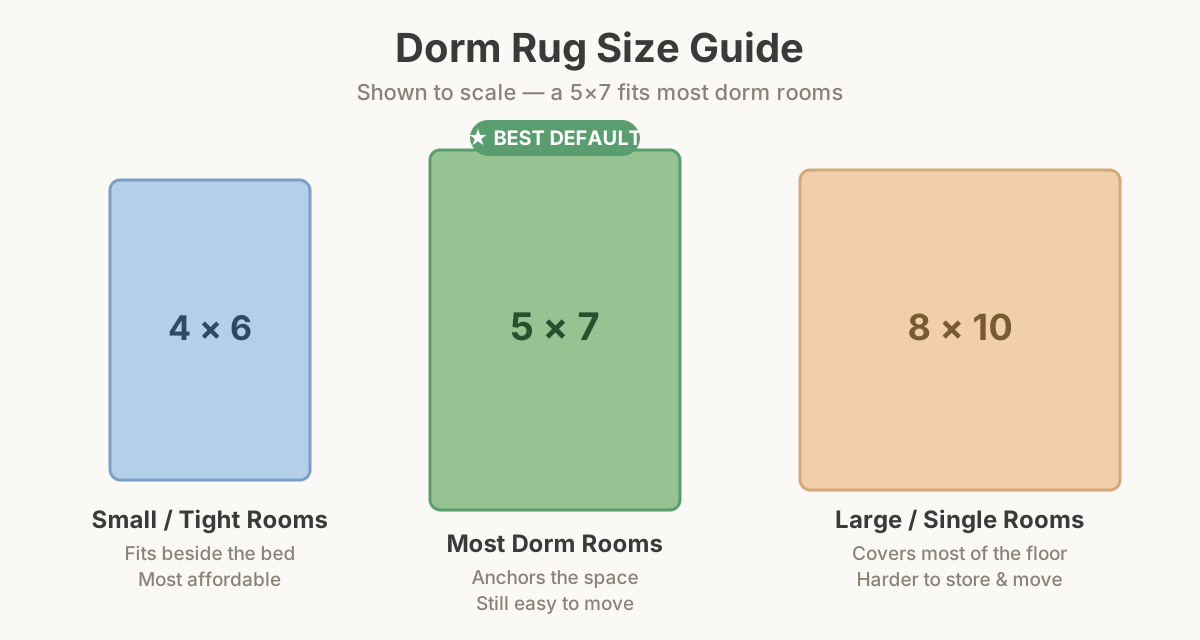
Practical size guide for dorm rooms:
- 5×7 or 5×8, the most practical size for a standard dorm room. Covers the floor between two beds or under a desk area without overwhelming the space.
- 4×6, better for very small rooms or a single bed area.
- Runner (2×6 or 2×8), works well alongside a bed, leading from the door, or in a narrow room layout.
- Anything larger than 6×9, rarely fits a standard dorm without crawling under furniture and lifting at the edges.
Measure before you order. Lay out tape on the floor in the shape and size you’re considering before buying. It takes two minutes and prevents a frustrating return. You can also use the Dorm Room Size Calculator to map your floor plan before committing to a size.
Material: What Actually Holds Up
| Material | Stain Resistance | Easy to Clean | Durability | Best For |
|---|---|---|---|---|
| Polypropylene (synthetic) | ✅ High | ✅ Yes | ✅ High | Most dorm rooms, the practical default |
| Cotton flatweave | ❌ Low | ✅ Can hand-wash | Medium | Low-traffic rooms, easy packing at year-end |
| Jute / sisal | ❌ Low | ❌ Hard | ✅ High | Looks good, but stains easily in daily use |
| Shag / high-pile | Medium | ❌ Difficult | Medium | Comfortable but high maintenance |
Polypropylene (Synthetic)
The most practical choice for a dorm room. Polypropylene rugs are stain-resistant, easy to spot-clean, and reasonably durable. Spills wipe up rather than soaking in. They’re also cheaper than natural fiber options.
Look for a low pile (under half an inch), thick shag rugs collect dust, are hard to vacuum, and take much longer to dry if something spills.
Cotton Flatweave
Lightweight and easy to shake out or hand-wash if needed. Less durable than polypropylene under constant foot traffic, but fine for a low-traffic room. Folds flat for packing at the end of the year.
Jute or Sisal
Natural fibers that look good but are harder to keep clean. Water stains them easily, they shed when new, and they don’t respond well to spot cleaning. Fine if you’re careful, but not ideal for most dorm situations.
Shag or High-Pile Rugs
Comfortable underfoot but impractical for dorm life. They trap dirt, take longer to dry, and require more maintenance than most students are willing to put in.
What to Avoid
Rugs sized for a bedroom without checking dimensions. A “bedroom rug” is often sized for an 8×10 room. Most dorm rooms are smaller with furniture already taking up significant floor area.
Rugs with dark backgrounds and light patterns. Hair and dust show more visibly on these than on mid-tone patterns.
Expensive rugs you’d be upset to stain. Dorm rooms have spilled drinks, muddy shoes, and moved furniture. A mid-priced practical rug is always the smarter call.
Thick memory foam rug pads. They add bulk, are hard to store, and aren’t necessary under a standard dorm rug. A thin non-slip grip pad is enough.
Placement Tips
Between the beds, covers the most-walked area and makes the shared space feel intentional.
Under the desk chair, protects the floor from chair movement and defines the work area as its own zone.
Near the door, catches dirt from shoes and keeps the entry area cleaner.
Stopping at the bed frame, not under it, partial coverage under a bed looks awkward. Either the rug extends fully under the bed or it stops cleanly at the frame.
Style Without Overthinking It
A neutral rug, beige, gray, cream, soft blue, sage, works with almost any bedding or decor and won’t conflict with whatever your roommate brings. You can add personality elsewhere with throw pillows or a tapestry.
Geometric patterns hide stains better than solid colors. A low-contrast pattern like subtle stripes or a faint grid reads as clean even when it isn’t spotless.
If you want something bold, one strong-patterned rug works best as the single “loud” item in an otherwise neutral room.
Saving Money on a Dorm Rug
Rugs are one of the best categories to buy secondhand. Thrift stores, Facebook Marketplace, and end-of-year dorm sales regularly have rugs in good condition at a fraction of retail prices. A neutral rug from a departing senior costs almost nothing and saves you the hassle of returning the wrong size.
Keeping a Dorm Rug Clean
A rug in a shared dorm room takes a beating, shoes, spilled drinks, dropped snacks, and constant foot traffic in a small space. The good news is that the practical materials (polypropylene and other synthetics) are also the easiest to keep clean. A little maintenance keeps a cheap rug looking fine all year.
Vacuum weekly. If you don’t have a vacuum, a handheld vac, a stiff brush, or even a lint roller for a low-pile rug pulls up most of the surface dirt and hair. Dirt that sits in the fibers is what wears a rug down over time.
Blot spills immediately, don’t rub. Press a paper towel or cloth straight down to lift the liquid. Rubbing pushes the stain deeper and frays the fibers. For most spills on a synthetic rug, a little dish soap in warm water blotted on and then blotted off lifts it cleanly.
Deodorize with baking soda. Dorm rugs pick up smell from the room over time. Sprinkle baking soda across the rug, leave it an hour or two, then vacuum or shake it out. It pulls odor out of the fibers without any scented product.
Shake it out periodically. Every few weeks, take a small rug outside and shake or beat it over a railing. You’ll be surprised how much dust comes out that vacuuming missed.
Consider a machine-washable rug. Some thin, low-pile dorm rugs are machine washable, a genuine advantage in a building with laundry machines down the hall. If you’re buying new and cleanliness is a priority, it’s worth looking for.
One last tip: clean the rug before you store it over summer or pack it for next year. A rug put away dirty comes out smelling like the day you rolled it up.
Key Takeaways
- 5×7 is the most practical size for a standard dorm room, not too small to matter, not too big to fit.
- Measure the floor before ordering, lay out tape in the size you’re considering, or use the room size calculator.
- Polypropylene (synthetic) is the most practical material, stain-resistant, spot-cleanable, affordable.
- Avoid shag and high-pile rugs. They trap dirt, take longer to dry, and are harder to maintain.
- A thin non-slip pad is enough, thick memory foam pads are unnecessary and hard to store.
- A neutral rug works with anything your roommate brings; save bold color for pillows and wall decor.
For more on making your dorm room feel comfortable and personal, see Cozy Dorm Room Ideas on a Budget and How to Make a Dorm Room Feel Like Home.
Related Dorm Guides
- How to Make a Dorm Room Feel Like Home, where a rug fits in the bigger picture of dorm room comfort
- Small Dorm Room Ideas, using a rug to define zones in a tiny shared space
- Dorm Room Layout Ideas, furniture placement that determines where the rug should go
- Dorm Room Storage Ideas, making sure under-bed bins can still clear a low-pile rug
- Cozy Dorm Room Ideas on a Budget, other low-cost comfort upgrades alongside a rug
- Dorm Move-Out Checklist, cleaning and rolling the rug before you leave
Frequently Asked Questions
- A 5×7 or 5×8 rug fits most standard dorm room layouts and covers enough floor to make a visible difference without overwhelming the space. A 4×6 is a good option for very small rooms or if you only want to cover one bed's area. Measure your floor space before buying, most students go too large or too small on their first try.
- Polypropylene (synthetic) rugs are the most practical choice for dorm rooms. They resist stains, are easy to spot-clean, and hold up well to foot traffic. Natural fiber rugs like jute and sisal look good but show stains easily and are harder to clean.
- Most schools allow area rugs without restriction. A small number of dorms have policies about rug pads or specific materials for fire safety. Check your housing handbook if you're not sure, but this is rarely a real restriction.
- Yes, if your dorm has a hard or smooth floor. A thin non-slip pad keeps the rug from sliding and adds a small amount of cushion underfoot. Skip thick memory foam pads. They're hard to store and unnecessary in a dorm room.
What size rug works best in a dorm room?
What material is easiest to clean in a dorm room?
Are rugs allowed in dorm rooms?
Do I need a rug pad?