Do Twin Sheets Fit a Twin XL Bed? Dorm Sheet Guide
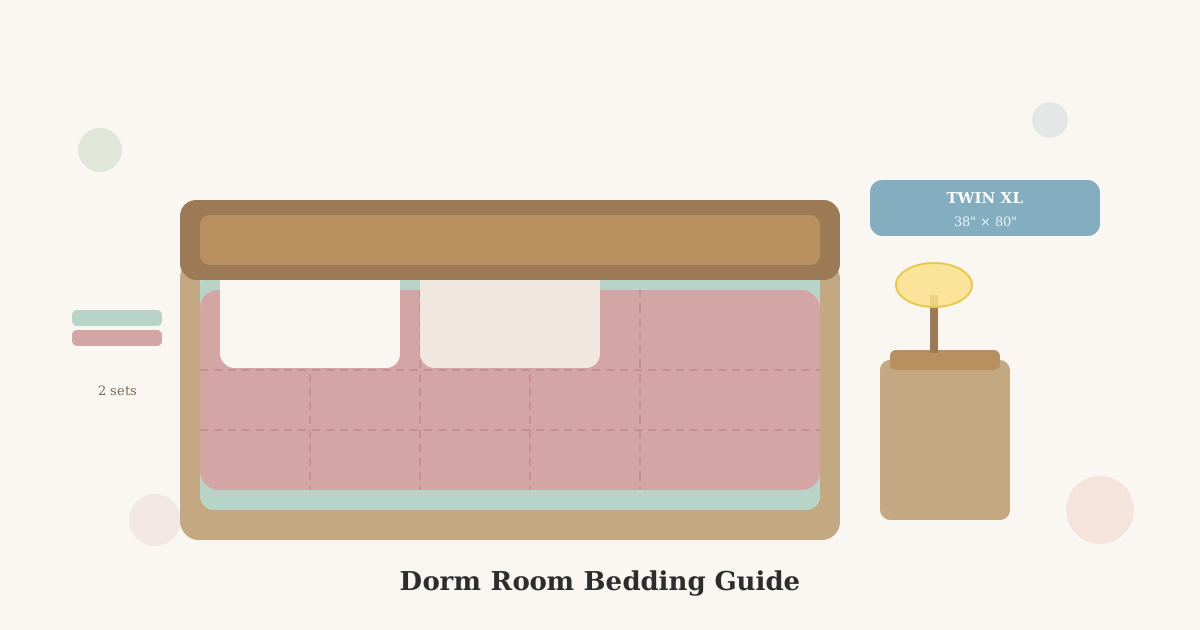
No — dorm beds are Twin XL (38×80"). Standard Twin sheets pop off. See how Twin vs Twin XL differ, which materials to pick, and how many sets to buy.
In this article
Buying the wrong sheets is one of the most common and most fixable dorm mistakes. You discover the problem at 11pm on your first night when the fitted sheet pops off the corner for the third time, and you realize you grabbed standard Twin instead of Twin XL.
Here’s everything you need to know to buy correctly the first time. For the complete bedding picture beyond sheets, see Dorm Room Bedding Guide.
Bedding made a bigger difference than I expected going in. The mattress topper helped most, but having sheets that actually fit the mattress mattered too. Getting bedding that was properly sized for the dorm bed was one of those small practical fixes that improved daily life immediately, the kind of thing that sounds minor until you’re fixing it at midnight.
Quick answer: Dorm beds are Twin XL, 38 inches wide, 80 inches long. Buy sheets specifically labeled “Twin XL” or “Extra Long Twin.” For materials: cotton percale sleeps coolest for the warm months of August through October; microfiber is cheaper but traps heat. Buy two sets so one is always clean. Don’t buy a set and one flat. Buy two complete sets.
📄 Free Printable
Download the Twin XL Bedding Cheat Sheet (PDF) →
The exact sizes and pieces to buy for a Twin XL dorm bed — sheets, topper, protector, and how many sets — on one quick reference page. No email required.
Do Twin Sheets Fit a Twin XL Bed?
No — and this trips up more students than any other bedding purchase. Twin and Twin XL are the same width (38 inches), but a Twin XL mattress is 5 inches longer (80 inches vs. 75). A regular Twin fitted sheet doesn’t have enough length to stay tucked, so it pops off the bottom corners all night. A Twin flat sheet and Twin comforter technically “work” but leave your feet uncovered on a lofted 80-inch mattress. Buy bedding labeled Twin XL or Extra Long Twin — nothing else.
| Size | Dimensions | Fits dorm bed? |
|---|---|---|
| Twin | 38” × 75” | ❌ Too short by 5 inches |
| Twin XL | 38” × 80” | ✅ Correct size |
| Full | 54” × 75” | ❌ Too wide, too short |
| Full XL | 54” × 80” | ❌ Too wide |
| Queen | 60” × 80” | ❌ Way too wide |
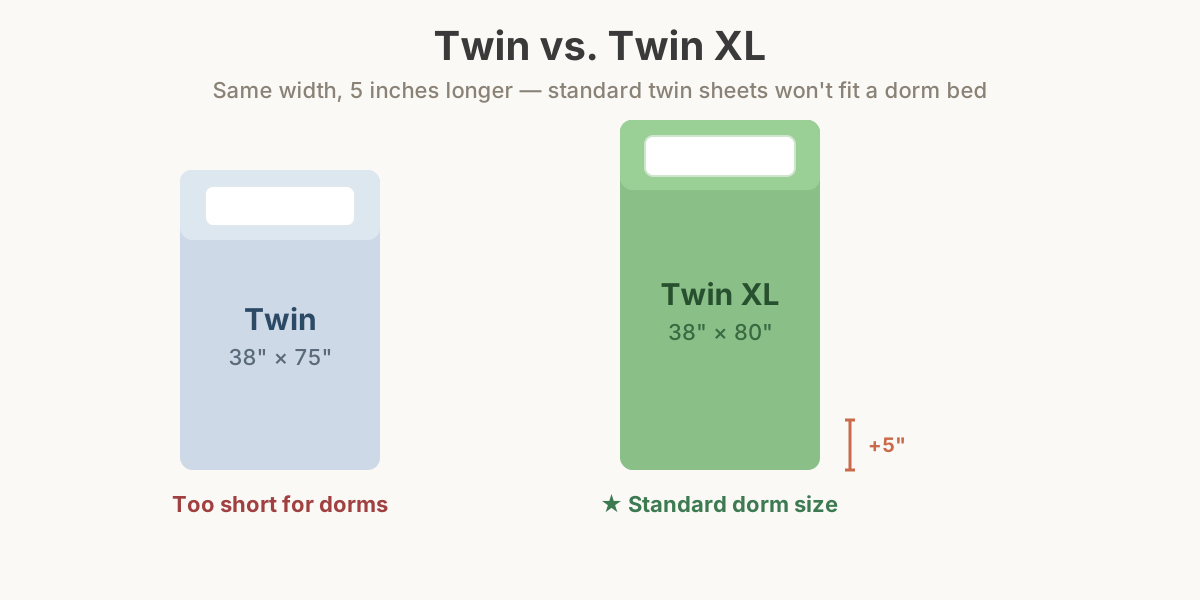
Standard Twin is 5 inches shorter than a Twin XL. That 5-inch difference means a standard fitted sheet won’t have enough fabric to stay tucked under the mattress at the foot of the bed. It pulls out constantly, especially with a mattress topper adding height.
Before you order: Confirm your school’s specific bed size. The vast majority of US college dorms use Twin XL, but there are exceptions, some apartment-style dorms have Full beds, some older dormitories have non-standard sizes. Check your school’s housing FAQ or email the housing office. It’s a two-minute confirmation that saves a return shipment.
Fitted Sheet Depth: Mattress Toppers Change Everything
Standard fitted sheets have a pocket depth of 12–14 inches. A standard dorm mattress is 7–8 inches thick. Add a 2–4 inch mattress topper and you’ve got a total mattress height of 9–12 inches, right at the limit of standard pocket depth.
If you’re using a mattress topper (which most students should, dorm mattresses are notoriously thin and uncomfortable), look for deep-pocket Twin XL sheets with a pocket depth of 14–18 inches. Regular-pocket sheets on a mattress-plus-topper combination will pop off the corners constantly.
Look for “deep pocket” in the product description, specifically for Twin XL size.
→ Shop deep-pocket Twin XL sheets on Amazon
Materials: What to Actually Get
This matters more than most students expect, especially in August and September when dorm rooms run warm.
Cotton Percale
Best for: Students who run warm, rooms without good AC, anyone who sweats while sleeping.
Percale is a plain weave cotton with a thread count typically between 200–400. It has a crisp, cool, matte feel, similar to a hotel sheet. It’s breathable and gets softer with every wash without getting warmer or heavier.
- Pros: Breathable, cool-sleeping, durable, gets softer with washing
- Cons: Wrinkles easily (this matters less on a dorm bed than in a house)
- Best thread count range: 200–400 (above that, percale gets heavier without proportional benefit)
California Design Den Organic Cotton Percale Sheet Set (Twin XL)
Percale is the pick for warm dorm rooms, and this 300-thread-count 100% organic cotton set has the crisp, cool, matte feel the weave is known for — it softens with every wash. The deep-pocket fitted sheet fits a mattress-plus-topper, and it carries the Good Housekeeping Seal with GOTS-certified organic cotton. The brand is rated 4.7 stars across 10,000+ buyers and even lists this set for dorms.
Pros
- Cool, crisp percale weave — best for August-to-October dorm heat
- 300 thread count, right in the range this guide recommends
- Deep-pocket fitted sheet works over a mattress topper
- Good Housekeeping Seal; GOTS-certified organic cotton
Cons
- Percale wrinkles and feels crisp until a few washes soften it
- It's one 3-piece set — buy two so one is always clean
Cotton Sateen
Best for: Students who run cold, prefer a silky feel, or are in a consistently air-conditioned room.
Sateen is a different weave of cotton that produces a smoother, silkier surface. It has a slight sheen and feels warmer and heavier than percale. Thread counts of 300–600 are common.
- Pros: Soft and smooth, feels luxurious, warmer for cold sleepers
- Cons: Traps more heat than percale, less breathable, can pill over time
- Best for: Fall and winter months when the room is cooler
Mellanni 300TC Cotton Sateen Sheet Set (Twin XL)
If you run cold or want the silky, hotel feel, sateen is the weave — and this 300-thread-count 100% cotton set is the sateen counterpart to the percale above. It's smooth and a touch warmer than percale, with a deep-pocket fitted sheet that fits up to a 16-inch mattress-plus-topper stack, and it's OEKO-TEX certified. Select the Twin XL size on the listing.
Pros
- Smooth, silky sateen weave — warmer for cold sleepers
- 300TC 100% cotton, breathable and durable
- Deep pocket fits up to 16 inches (mattress plus topper)
- OEKO-TEX certified; easy machine care
Cons
- Sateen traps a bit more heat than percale — not ideal for hot August rooms
- Can snag or pill if washed rough over time
- Buy two sets for laundry rotation
Microfiber
Best for: Students on the tightest budget who prioritize cost over sleep comfort.
Microfiber sheets are made from finely woven polyester. They’re inexpensive ($15–$30 for a complete set), widely available, and easy to wash. The downside is they trap heat and moisture, fine in winter, uncomfortable in a warm dorm room in August.
- Pros: Very inexpensive, widely available, easy to find in Twin XL
- Cons: Traps heat, not breathable, can cause night sweats in warm rooms, generates static
- Best for: A backup set or winter-only use
Mellanni Brushed Microfiber Sheet Set (Twin XL, 3-Piece)
The budget default: an inexpensive, easy-care brushed-microfiber set that's a 6-time Good Housekeeping 'Best Bedding' winner with over 10 million sets sold. Deep pockets fit up to a 16-inch mattress-plus-topper, and it's OEKO-TEX certified. Just know microfiber sleeps warmer than percale — best as a second set or for winter.
Pros
- Very affordable and widely stocked in Twin XL
- Deep pockets fit up to 16 inches (mattress plus topper)
- 6x Good Housekeeping 'Best Bedding' winner; OEKO-TEX certified
- Wrinkle-, fade-, and stain-resistant and easy to wash
Cons
- Microfiber traps heat — warmer than percale in an August dorm
- The Twin XL set includes one pillowcase; grab a second set for laundry rotation
Bamboo or Linen
Best for: Students who want premium sleep comfort, run particularly hot, or live in a humid climate.
Bamboo-derived (viscose from bamboo) sheets are exceptionally soft and moisture-wicking. They feel cool to the touch and stay drier than cotton in humid conditions. Linen sheets are the most breathable option available but are rougher in texture and very expensive.
- Pros: Most breathable option, excellent moisture-wicking, very soft (bamboo)
- Cons: Significantly more expensive ($60–$120+ for a sheet set), bamboo labels can be misleading (look for OEKO-TEX certification)
- Best for: Students who struggle to sleep in warm, humid conditions and have the budget
→ Shop bamboo Twin XL sheets on Amazon
How Many Sets to Buy
Buy two sets. Always.
One set on the bed, one set washed and ready. Without a second set, you either sleep on a bare mattress while sheets dry, or you’re hand-washing sheets in the sink at midnight because you have class tomorrow and no clean bedding.
Laundry in a dorm happens on a schedule. It’s not as easy as tossing sheets in when they’re dirty. Two complete sets (fitted sheet, flat sheet, two pillowcases) give you the flexibility to wash on your schedule rather than when you’re forced to.
What Else You Need for the Bed
Pillowcases: Standard pillowcases fit standard pillows. Make sure the size matches your pillow. Most dorm pillows are standard (20x26 inches). King pillowcases are 20x40, too wide for a standard pillow.
Flat sheet: Optional if you prefer sleeping directly under a duvet or comforter. Useful as a layer between you and the comforter in warm months so you wash the flat sheet more frequently and the comforter less.
Mattress protector: A waterproof mattress protector goes under the fitted sheet and protects the mattress from spills, sweat, and allergens. Get one in Twin XL. This is especially important in a shared or previously used dormitory mattress.
SafeRest Waterproof Mattress Protector (Twin XL)
Layer this straight on the mattress, under the fitted sheet (and under the topper if you have one). It blocks spills, sweat, and allergens on a shared dorm mattress and saves you from move-out staining charges. The cotton-terry surface feels like a fitted sheet rather than crinkly plastic, and it machine washes with your sheets — the category's most-reviewed pick.
Pros
- Waterproof membrane protects a shared, used mattress
- Cotton-terry top is quiet — no plastic crinkle
- Stretches on like a fitted sheet; machine washable
- Huge review base
Cons
- Protects, doesn't pad — no softness added
- Adds to the total stack height; use deep-pocket sheets over a topper
- Slight heat retention for very hot sleepers
Twin XL Bedding at a Glance
| Item | Size to buy | Notes |
|---|---|---|
| Fitted sheet | Twin XL (deep pocket if using topper) | Most important size to get right |
| Flat sheet | Twin XL or Full (flat sheets are forgiving) | Full flat sheet works on Twin XL bed |
| Pillowcase | Standard (20x26) | Match to your pillow size |
| Comforter / duvet cover | Twin XL | See the Twin XL comforter guide for the length math |
| Mattress protector | Twin XL | Get waterproof; deep pocket if using topper |
Key Takeaways
- Twin XL is 38x80 inches, 5 inches longer than standard Twin. Standard fitted sheets don’t fit. This is the single most important thing to get right.
- Confirm your school’s specific bed size before ordering, most are Twin XL but not all.
- Use deep-pocket sheets if you have a mattress topper, standard pocket depth won’t stay on a mattress-plus-topper stack.
- Cotton percale is the best material for the warm months (August–October) when dorm rooms run hot. Microfiber is budget-friendly but traps heat.
- Buy two sets so you’re never sleeping on a bare mattress while sheets are in the wash.
Related Dorm Guides
- Dorm Room Bedding Guide, comforters, pillows, mattress protectors, and what to skip
- What Size Are Dorm Beds?, exact dimensions, the exceptions, and how to confirm yours
- Best Twin XL Comforters for Dorm Rooms, sizing, fill types, and what to skip
- Best Mattress Toppers for Dorm Beds, why a topper matters and which to buy
- What to Pack for a Dorm Room, full packing list and timeline
- College Dorm Move-In Checklist, category-by-category move-in checklist
- Complete Dorm Room Checklist for Freshmen, full shopping breakdown with cost estimates
- How to Do Laundry in College, so your sheets stay clean all semester
- How to Set Up a Dorm Room for Under $200, bedding on a tight budget
Frequently Asked Questions
- Most dorm beds use Twin XL, 38 inches wide by 80 inches long. This is 5 inches longer than a standard Twin (38x75) but the same width. If you bring standard Twin sheets, they'll be 5 inches too short and pop off the corners constantly. Confirm your specific school's bed size before ordering, a small number of dorms use Full, Double, or even custom sizes, but Twin XL is the overwhelming majority.
- No. Regular Twin sheets are 38x75 inches. Twin XL beds are 38x80 inches, 5 inches longer. A standard Twin fitted sheet will pull off the bottom corners throughout the night because it doesn't have enough length to stay tucked. You need sheets specifically labeled Twin XL or Extra Long Twin.
- A Full fitted sheet (54x75 inches) is 8 inches wider but 5 inches shorter than a Twin XL. It won't fit properly and will bunch up. A Queen fitted sheet is even wider. Flat sheets and duvet covers are more forgiving since they don't need to grip the mattress, a Full flat sheet works fine as a top sheet on a Twin XL. But for fitted sheets, Twin XL is the only size that fits correctly.
- Thread count is less important than weave type. A 300–400 thread count percale sheet sleeps cooler and feels crisper than a 600 thread count sateen sheet, which feels silkier but traps more heat. For dorm use where rooms run warm in fall and spring, percale weave in the 200–400 thread count range is the better choice. Don't chase high thread counts, above 400, the difference is marginal and manufacturers often count multi-ply threads to inflate the number.
What size sheets do dorm beds use?
Will regular Twin sheets fit a Twin XL dorm bed?
Can you use Full or Queen sheets on a Twin XL bed?
What thread count is best for dorm sheets?
.%20Standard%20Twin%20sheets%20pop%20off.%20See%20how%20Twin%20vs%20Twin%20XL%20differ%2C%20which%20materials%20to%20pick%2C%20and%20how%20many%20sets%20to%20buy.)