First Apartment Grocery List: What to Actually Stock Your Kitchen With
Your first apartment fridge and pantry starts empty. Here's exactly what to buy first, the staples that cover most meals without overspending or overbuying.
In this article
Moving into your first apartment means starting from zero: an empty fridge, empty cabinets, and a kitchen that needs everything at once. The first grocery run can feel overwhelming if you try to buy everything.
This list breaks it into what to buy first, and what can wait. Once you have the groceries, see First Apartment Kitchen Essentials for what equipment you’ll need to cook them.
Dining hall meals meant I never had to think much about groceries in the dorm. The apartment was the first time I had to stock a kitchen from scratch. The first few shopping trips I bought too much of things I wasn’t sure about and too little of the staples I actually used. It took a couple of weeks to learn what I genuinely needed to keep around.
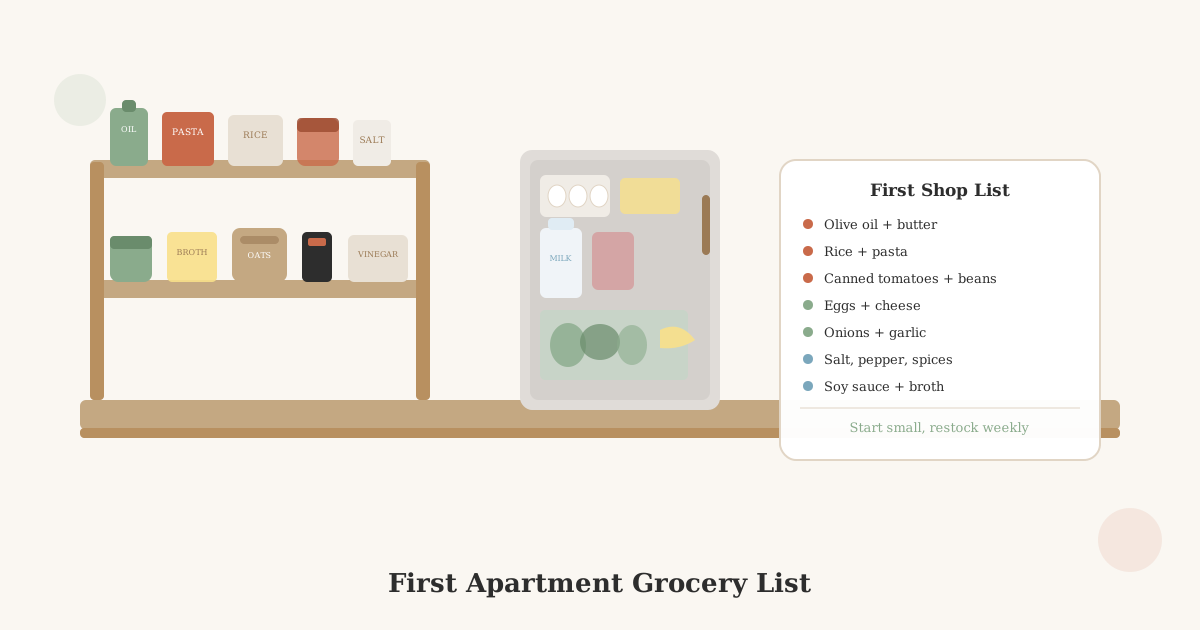
Quick answer: Start with pantry staples that don’t expire: olive oil, salt, pepper, garlic, pasta, rice, canned tomatoes, canned beans, eggs, and butter. These cover dozens of meals and last weeks or months. For fresh items, buy small the first week, a dozen eggs, 1–2 pounds of protein, a few pieces of produce you’ll actually eat. Your second-week shop will be shorter, smarter, and based on what you actually cooked.
The First Shop: Pantry Staples
Buy these first. They’re shelf-stable, last months, and enable dozens of meals without another trip to the store.
Oils and Fats
- Olive oil, for cooking, roasting, and dressings. One 16–32 oz bottle lasts weeks.
- Butter, for cooking and baking. One standard pound keeps in the fridge for a month.
- Cooking spray, for pans and baking. Optional if you have olive oil, but convenient.
Grains and Starches
- White rice, fills out any meal, goes with almost anything.
- Pasta, 2–3 boxes of different shapes. One of the fastest meals you can make.
- Oats, rolled oats for breakfast. Cheap, filling, long shelf life.
- Bread, one loaf. Goes fast with toast and sandwiches.
Canned and Jarred Goods
- Canned tomatoes (diced and crushed), base for pasta sauce, soups, chili.
- Canned beans (black beans, chickpeas, white beans), protein source, side dish, soup ingredient.
- Canned tuna or chicken, fast protein for sandwiches and pasta.
- Chicken or vegetable broth, for soups and cooking grains with more flavor.
- Soy sauce, adds flavor to stir-fries, rice, and marinades.
- Hot sauce, one bottle lasts a very long time.
Pantry Seasonings
- Salt and black pepper, non-negotiable.
- Garlic powder and onion powder, used in almost everything.
- Paprika, cumin, oregano, Italian seasoning, covers most basic recipes.
- Mustard and ketchup, if you use them.
- A basic vinegar (white or apple cider), for dressings and cooking.
The First Shop: Fresh Essentials
Buy fresh items in smaller quantities until you know your cooking rhythm. Overbuying fresh produce and watching it go bad is the most common first-apartment grocery mistake.
Proteins
- Eggs, one dozen. The most versatile protein in the kitchen: breakfast, dinner, baking.
- 1–2 pounds of chicken breast or thighs, freezes well if you don’t use it in two days.
- Ground beef or turkey (optional), versatile but requires cooking promptly or freezing.
Produce (Start Small)
- Onions, yellow or white. Used in almost every savory recipe.
- Garlic, one head lasts weeks and elevates everything.
- A bag of potatoes, filling, cheap, versatile.
- Bananas, cheap and easy breakfast or snack.
- 1–2 other pieces of fruit, whatever you’ll actually eat in a week.
- Bagged salad or a head of lettuce, if you eat salads.
- 1–2 other vegetables, broccoli, zucchini, spinach, or whatever you cook with.
Dairy
- Milk or non-dairy alternative, whatever you use for coffee, cereal, and cooking.
- Shredded cheese, goes on everything, lasts longer than block cheese once opened.
- Yogurt, breakfast or snack.
The Second Week: Fill In the Gaps
After the first week, you’ll know what you actually cooked and what you ignored. The second week’s shop should be smaller and more specific. Common additions:
- Frozen vegetables, broccoli, peas, mixed vegetables. Cheap, zero waste, fast.
- Frozen protein, shrimp, fish fillets, or more chicken to keep in the freezer.
- Lemons, useful for finishing dishes, dressings, and drinks.
- More spices as you discover what you’re actually cooking.
- Snacks, crackers, nuts, popcorn, whatever fits your habits.
What Not to Buy on the First Trip
A full spice rack. Start with 5–6 spices you’ll actually use and add from there. A pre-packed spice set with 20 bottles sounds efficient but usually means paying for spices you’ll never open.
Large quantities of fresh produce. One person can’t eat a full head of cabbage, 10 apples, and a pound of mushrooms before they go bad. Buy what you’ll eat in 4–5 days.
Specialty ingredients for one recipe. If a recipe calls for fish sauce, miso, tahini, or another specialty item you’ve never used, make sure it’s something you’ll use repeatedly before buying a full bottle.
Name brands on staples. Store-brand pasta, rice, canned goods, and cooking oil are identical to name-brand versions. The savings add up over a semester.
Meal Planning Basics
Planning 3–4 meals before you shop prevents overbuying and reduces waste:
- Pick meals that share ingredients, a chicken dish and a salad might share garlic, olive oil, and lemon. One ingredient serves two meals.
- Plan at least one “use what’s in the fridge” meal at the end of the week for leftover vegetables and grains.
- Keep one fast meal in reserve, pasta with jarred sauce, eggs and toast, or a grain bowl from whatever’s on hand. This is for the night you don’t feel like cooking.
Key Takeaways
- Buy pantry staples first. They’re the foundation that makes everything else work, and they last for months.
- Start small with fresh produce, overbuying is the most common and most expensive first-apartment grocery mistake.
- The first shop is always the most expensive. You’re stocking a pantry, not just buying a week’s worth of food.
- Store brands on staples are identical to name brands for pasta, rice, canned goods, and oil.
- Plan 3–4 meals before you shop and include at least one “use what’s in the fridge” meal.
- Your second week’s list will be shorter and smarter. Buy in two rounds, not one massive first run.
For keeping your apartment clean from day one, see First Apartment Cleaning Checklist.
Related Dorm Guides
- First Apartment Kitchen Essentials, what pots, pans, and tools you need to cook the groceries you just bought
- First Apartment Checklist, full move-in checklist covering furniture, kitchen, bathroom, utilities, and more
- First Apartment Cleaning Checklist, supplies and routine for keeping your first place clean
- Moving from a Dorm to Your First Apartment, what changes when you leave campus and what carries over
- Dorm Room Coffee Setup, coffee maker options that go from dorm room to apartment kitchen
- Dorm Room Snack Station, snack stocking habits from the dorm that translate to your apartment pantry
Frequently Asked Questions
- A realistic grocery budget for one person cooking at home most meals is $200–350 per month. The first shop is more expensive because you're buying pantry staples (oil, spices, flour, rice) that last for months. Subsequent weekly shops for fresh items run $40–80. Meal planning before you shop, even loosely, cuts waste and keeps costs down.
- Pantry staples that don't expire quickly and cover many meals: olive oil, salt, pepper, garlic, onions, pasta, rice, canned tomatoes, canned beans, eggs, and butter. Buy a small amount of fresh produce until you learn your cooking rhythm, buying more than you'll use in a week is the fastest way to waste money on groceries.
- Buy smaller quantities of fresh items (1–2 pieces of fruit, a small bunch of greens) since you'll go through less before it goes bad. Buy larger quantities of shelf-stable staples. Plan 3–4 meals for the week before you shop and buy only what you need for those meals. Cook in batches when possible, making a larger portion of rice or pasta once covers several meals.
- White rice, dried pasta, canned goods (beans, tomatoes, tuna, corn), lentils, oats, honey, soy sauce, olive oil, vinegar, and dried spices all last months to years when stored properly. These are the backbone of a first-apartment pantry. Buy them once and restock as needed rather than buying them fresh repeatedly.
How much should I spend on groceries for my first apartment?
What should I buy first for my apartment kitchen?
How do you grocery shop for one person?
What food staples last the longest in a pantry?