College Care Package Ideas That Students Actually Use
The best care packages skip the generic and focus on what students actually run out of, miss from home, or never think to buy themselves. Here's what works.
In this article
Most care packages get packed with things the sender thinks a college student needs. The best care packages get packed with things the specific student actually uses, misses, or would never think to buy themselves.
The difference matters. A box of generic granola bars and a candle from a gift shop sits in the corner of a dorm room. A box of their favorite snacks, the exact brand of face wash they ran out of, and a handwritten note gets opened immediately and actually used.
Here’s how to build a care package that lands right. For a full picture of what your student has in their room, see the Complete Freshman Dorm Room Checklist.
📄 Free Printable
Download the College Care Package Checklist (PDF) →
A ready-to-shop list built around the three things that make a package land — something consumable, something practical, and something personal — so you pack a box they’ll actually use. No email required.
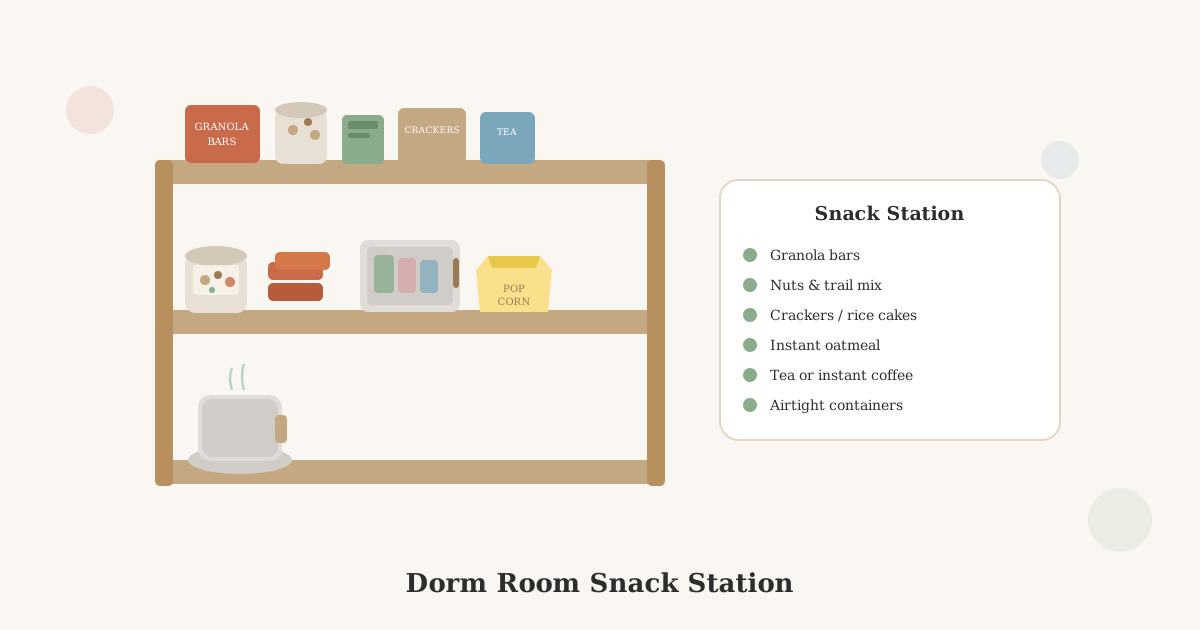
The snack items I kept in my room all semester, granola bars, instant oatmeal, microwave popcorn, were the things I missed most when I ran out. The care packages that meant the most weren’t the biggest ones. They were the ones with the exact things I would’ve bought myself. Specific beats generic every time.
Quick answer: The most consistently useful care packages have three components, something consumable (snacks, toiletries, coffee supplies), something practical (a dorm essential they forgot or ran out of), and something personal (a note, a photo, something only you would know to send). Skip the generic gift-shop approach and think specifically about your student: what do they actually eat, what have they mentioned needing, what do they miss from home?
What Actually Gets Used
The categories below consistently work. Within each one, the specific item matters, send what your student actually likes, not what seems like a reasonable thing a college student might like.
Snacks and Food
This is the most appreciated care package category, full stop. Dorm dining gets repetitive quickly, late-night hunger is real, and having snacks in the room matters more than students expect before they leave.
Snacks that travel well and get eaten:
- Trail mix and nut mixes (high protein, filling, no refrigeration needed)
- Protein bars or energy bars in their preferred flavor
- Crackers with individual nut butter packets
- Beef or turkey jerky
- Popcorn (microwave bags or pre-popped in a tin)
- Instant noodles, mac and cheese cups, or ramen
- Dried fruit and mixed nuts
- Their favorite chips or crackers in a sturdy container
- Goldfish, pretzels, or a salty snack they grew up with
Drink mixes and warm beverages:
- Hot cocoa packets or a small tin of quality cocoa
- Their preferred tea bags (a variety pack works well)
- Instant coffee packets or a small jar of their usual brand
- Electrolyte packets for late-night study sessions
- Canned sparkling water if shipping is local
Homemade items that travel:
- Chocolate chip cookies (double-wrapped, in an airtight container)
- Brownies or blondies (dense, sturdy, hold up better than cake)
- Shortbread or sugar cookies
- Homemade granola or trail mix
- Rice Krispie treats
→ Browse college snack gift boxes on Amazon
Dorm Essentials They Forgot or Ran Out Of
This category requires knowing your student. What did they mention needing? What did they forget at home? What do they use up quickly?
Toiletries that get used fast:
- Their exact brand of face wash, moisturizer, or shampoo, not a substitute
- Razor cartridges (expensive and easy to forget)
- Dry shampoo
- Cotton rounds, Q-tips, or makeup remover wipes
- Chapstick, students lose this constantly
- Travel-size ibuprofen, DayQuil/NyQuil, and antacids
- A new toothbrush
Study supplies they actually use:
- The specific pens they prefer (gel, ballpoint, or felt tip)
- Sticky notes, students go through these fast
- Highlighters in their preferred colors
- A new spiral notebook
- Scissors, tape, or a stapler if they don’t have one
Dorm room items:
- Command hooks and strips, students always need more
- A surge-protected power strip if they’re using a single outlet
- An extra phone or laptop charger cable
- AA and AAA batteries
- Zip-lock bags in a variety of sizes
→ Browse Command hooks variety packs on Amazon
→ Browse college student toiletry gift sets on Amazon
Comfort Items
These are the things that make a dorm room feel more like home. They don’t need to be expensive. They just need to be personal.
Physical comfort:
- A soft throw blanket in a color they’d actually use (not holiday-themed)
- Fuzzy socks or slippers for wearing around the dorm
- A small heating pad for period cramps, sore muscles, or cold nights
- An eye mask if they mentioned having trouble with light
- A quality candle or wax melt (check if their building allows candles first, many don’t; wax warmers are safer)
Something from home:
- A printed photo from home in a simple frame
- Their favorite snack or candy from a local place you can’t ship from nationally
- A handwritten letter, the most underrated item in any care package
- A card signed by the whole family or group of friends
- Something small that references an inside joke or shared memory
→ Browse cozy throw blankets on Amazon
Health and Wellness
College students notoriously skip this category when buying things for themselves. It makes for an appreciated and practical addition.
Actually useful:
- Vitamin C packets or immune support supplements (especially around finals)
- A multivitamin they’ll actually take (gummy format has better compliance)
- Melatonin in a low dose (0.5–1mg), helps with inconsistent sleep schedules
- Lip balm in multipacks, students go through several a semester
- Tissues (a small box, sounds basic, gets genuinely used)
- A basic first aid kit if they don’t have one
Stress and mental health:
- A journal or notebook specifically for non-academic writing
- A small aromatherapy roller or a calming tea blend
- A puzzle, a card game, or a small desk fidget toy, something low-stimulation
- A voucher or promise of a phone call, a visit, or a dinner out when you’re in town
Entertainment and Fun
For care packages timed around breaks, slow periods, or just for fun.
- A new card game (Exploding Kittens, Blink, Sushi Go, small, good for a dorm)
- A book you loved that you think they’d like
- A movie download gift card or a streaming service prepaid card
- A small puzzle (500 piece fits on a dorm desk)
- A gift card to their most-used delivery app for a late-night meal
- An Amazon gift card (genuinely useful, never wrong)
→ Browse card games for college students on Amazon
When to Send It
Timing matters as much as content.
First care package: 2–4 weeks after move-in. Not the first week. It’s chaotic, packages get buried, and the student is still in orientation mode. By week three or four, the initial excitement has faded, the first papers and exams are approaching, and a package from home arrives at exactly the right moment.
After that, natural care package moments:
- Right before midterms (week 6–8 of most semesters)
- Right before finals (the last two weeks of the semester)
- After a hard week (if they’ve called home upset or stressed)
- On their birthday, if it falls during the semester
- Just because, a random package mid-semester with no occasion is often more meaningful than a timed one
Packing It Well
Box size: A flat-rate USPS Priority Mail box is the most efficient shipping option if you’re in the US, fixed price regardless of weight, 2–3 day delivery, and the box is free from the post office.
Padding: Crumpled kraft paper, tissue paper, or bubble wrap around anything fragile. Chips and crackers should be in a rigid container or padded enough not to arrive as crumbs.
A note on the top: The handwritten note goes on the very top, not buried under everything. It’s the first thing they see when they open the box.
What to Skip
Generic gift baskets from gift shops. Pre-assembled care packages from retailers are usually expensive for what’s inside and filled with items the student may not use. Building your own takes 20 minutes and costs less.
Candles in dorms that don’t allow them. Check first. Many residence halls prohibit open flames. Electric wax warmers and reed diffusers are allowed almost everywhere.
Perishable food without fast shipping. Homemade baked goods sent by ground shipping over four or five days can arrive stale or worse. Use 2-day shipping for anything homemade.
Things the student already has plenty of. If they live near a Target, they don’t need paper towels. Think about what’s hard to get where they are, what they use up, or what they wouldn’t splurge on themselves.
Too much stuff. A tightly curated box of 6–8 things beats a large box of 20 random items. More isn’t more.
Budget Guide
| Budget | What to Include |
|---|---|
| $25–$35 | Snacks they love + a handwritten note + one small useful item |
| $35–$55 | Snacks + toiletry refills + a comfort item + a note |
| $55–$80 | All of the above + a dorm essential + something fun |
| $80+ | A gift card for dinner out + a full snack and essentials box |
The $35–$55 range hits the sweet spot for most occasions. Spend more for finals or a birthday; $25 is plenty for a “just thinking of you” package mid-semester.
Key Takeaways
- Specific beats generic, send what your student actually uses, not what a generic college student might like.
- Three-part formula: something consumable + something practical + something personal.
- Send the first one 2–4 weeks after move-in, not immediately; the window when it lands best is weeks three and four.
- Homemade baked goods are almost always the most appreciated item, ship with 2-day delivery.
- The handwritten note goes on top. It’s the first thing they should see.
- Skip the pre-assembled gift baskets, a custom box takes 20 minutes and costs less.
- $35–$55 is the practical sweet spot, more than that rarely improves the impact.
For more on what college students actually need in their dorm room, see the Complete Freshman Dorm Room Checklist and the Dorm Room Packing List.
Related Dorm Guides
- Complete Freshman Dorm Room Checklist, full move-in list to understand what your student has and what they might be missing
- Dorm Room Packing List, another angle on what students bring and what they forget
- Dorm Room Snack Station, how students keep snacks in their room and what works best
- Best Budget Dorm Finds, practical items that make a real difference in dorm life
- Dorm Room Smell Fresh, if you’re considering a candle or scent item (and whether it’s allowed)
- Dorm Room Coffee Setup, coffee setup ideas if your student is a coffee drinker
Frequently Asked Questions
- The most useful care packages combine something they'll use up (food, snacks, toiletries), something they'll use regularly (a dorm essential they forgot or ran out of), and something personal (a note, a photo, something from home). The mistake most people make is sending generic things the student already has or can easily buy themselves. Think about what your specific student actually uses, what they complained about not having, and what they can't get where they are.
- A $30–$50 care package covers snacks, a few useful items, and something personal. A $50–$80 package can include higher-quality snacks, a dorm essential or two, and a comfort item. You don't need to spend more than that, the thoughtfulness of the contents matters more than the quantity. A focused $35 package beats a $100 box full of random things the student doesn't use.
- The first one is usually best sent 2–4 weeks after move-in, not immediately. The first week is hectic and packages can get lost or go unopened. By weeks three or four, the initial excitement has worn off, the first exams are approaching, and a care package lands at exactly the right moment. After that: midterms, finals, and any time the student has a rough week are natural care package moments.
- Shelf-stable snacks the student actually likes, not generic items. Nuts, dried fruit, protein bars, crackers and nut butter, instant noodles or mac and cheese, trail mix, jerky, hot cocoa or tea packets, their favorite candy. Avoid anything that can melt, spoil, or is fragile without good packaging. Homemade baked goods travel well if double-wrapped; cookies, brownies, and bars hold up better than cakes.
- Yes, and it's often the most appreciated part of the package. Baked goods travel the best: chocolate chip cookies, brownies, shortbread, granola bars, and snack mixes. Double-wrap everything in plastic wrap before placing in an airtight container or zip-lock bag. Pad with tissue paper or bubble wrap so items don't break. Ship with 2-day shipping or faster to keep homemade food fresh. Frosted items don't travel as well, unfrosted cookies and bars are the most reliable choice.
What should I put in a college care package?
How much should I spend on a college care package?
When should I send a college care package?
What food should I put in a college care package?
Can I send homemade food in a care package?