

How to Organize a Dorm Closet: Maximize Your Small Closet
Follow our 5-step guide to organize your dorm closet: measure first, switch to slim hangers, add a second hanging rod, then use floor bins and door organizers.
In this article
Dorm closets come in a few varieties, wardrobe-style cabinets, shallow reach-in closets, and the occasional built-in with a shelf or two, and almost none of them are big enough. The problem isn’t just the size. It’s that most people move in and hang things up without a system, then wonder why they can never find anything.
Dorm closet organization is mostly about zones, not products: rod, second rod, shelf, floor, door. Get the zones right and a 30-inch closet holds a full semester’s wardrobe. This guide walks through the whole setup; it’s part of the Dorm Room Storage & Organization collection.
📄 Free Printable
Download the Dorm Closet Organization Planner (PDF) →
Measure your closet, plan the five zones, and build a shopping list before you buy a single organizer — so everything actually fits. No email required.
Quick answer: Measure the closet first, width, depth, and rod height, before buying anything. Then: switch to slim velvet hangers (this alone often doubles rod space), add a drop-down second rod if the height allows, and use the door for shoe or accessory storage. Seasonal items go in the hardest-to-reach spots; everyday items go front and center.
Step 1: Know What You’re Working With Before You Shop
Resist the urge to order closet organizers before you’ve seen your actual dorm room. Closet dimensions vary by building, floor, and room type. What fits in one dorm may not fit in another.
When you arrive on move-in day, measure:
- Width of the closet opening and interior
- Depth from front to back
- Height from the floor to the shelf (if there is one) and from the shelf to the ceiling
- Rod height, how high the hanging rod sits off the floor
These measurements determine whether a second hanging rod fits, how tall your floor bins can be, and whether any organizer you’re considering will actually work.
If you share a closet: Coordinate with your roommate before move-in about who gets which side. Agreeing upfront saves an awkward conversation later and prevents both of you from arriving with closet systems that won’t fit alongside each other.
Step 2: Sort Before You Hang
Before hanging anything, sort your clothes into categories:
- Everyday items, things you reach for multiple times a week
- Occasional items, things you wear but not constantly
- Seasonal items, heavy coats, winter sweaters, anything you won’t touch for months
Seasonal items should go in the hardest-to-reach spot: high shelf, vacuum bags under the bed, or a bin at the back of the closet. Everyday items should be immediately accessible.
Step 3: Switch to Slim Velvet Hangers
Standard plastic hangers are bulky and take up significantly more rod space than slim velvet alternatives. Swapping them out is one of the easiest ways to double your usable hanging space without adding anything to the room.
Velvet hangers also grip clothes better, so shirts and slippery items don’t end up on the floor.
Step 4: Add a Second Hanging Rod (If the Height Allows)
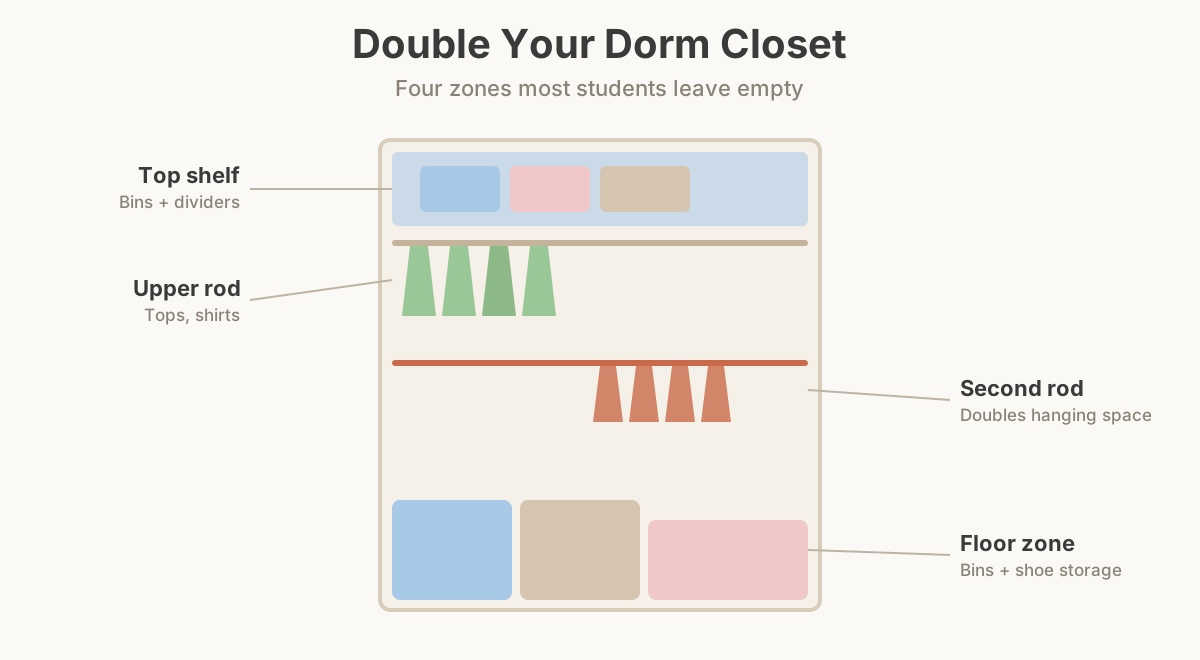
If your closet rod sits high enough, a second hanging rod can drop down from it and create a second tier for shorter items, folded dress pants, shirts, jackets. This effectively doubles your hanging capacity in the same horizontal space.
These attach with hooks and require no tools or drilling. They won’t work in every closet, which is exactly why measuring first matters.
Step 5: Use the Floor Strategically
The floor of the closet is often wasted or turned into a pile of shoes and bags. Better uses:
- A small stackable drawer unit for folded items that don’t need to hang, gym clothes, pajamas, extra toiletries
- Stackable shoe bins or a simple shoe rack for footwear you want to keep accessible
- A laundry bag on a hook attached to the closet door interior, so dirty clothes have a home that isn’t the floor
Step 6: Use the Shelf
Most dorm closets have one shelf above the hanging rod. This is the right place for:
- Items you need occasionally but not daily (extra bedding, a heating pad, boxes of supplies)
- Folded items like sweaters that don’t hang well
- Bags, backpacks, or hats
Use shelf dividers if you’re sharing the closet space or if items tend to topple into each other.
Step 7: Use the Door
An over-door hook rack or a hanging organizer on the inside of the closet door adds storage without using any floor or shelf space. Good uses:
- Shoes in a clear-pocket organizer
- Belts, scarves, or accessories on hooks
- Cleaning supplies or extra toiletries in pockets
If Your Room Has a Wardrobe Cabinet Instead of a Closet
Plenty of dorms skip the built-in closet entirely and give you a freestanding wardrobe — usually 36 inches wide or less, with one rod, one shelf, and doors that may not even close all the way once it’s full. The same zone system applies, with two adjustments:
- The second rod matters even more. Wardrobe rods are usually mounted high, which leaves a lot of dead air below shorter items. A drop-down rod reclaims it.
- You can’t use the door the same way. Wardrobe doors are thinner and often can’t take an over-door rack. Use adhesive hooks on the inside of the doors for accessories, and move shoe storage to a slim rack beside or under the wardrobe instead.
If your room has no closet or wardrobe at all (it happens in older halls), a garment rack works — but check with housing first, and see Dorm Room Storage Ideas for the full-room plan.
How Much Actually Fits (Set Expectations Before You Pack)
A realistic capacity for a typical single-rod dorm closet with the upgrades above:
| Zone | Holds roughly |
|---|---|
| Main rod (slim hangers) | 40–60 hanging items |
| Drop-down second rod | 15–25 shirts or jackets |
| Shelf | 6–10 folded sweaters + 2 bags |
| Floor (3-drawer unit + shoe rack) | 3 drawers of folded clothes + 6–8 pairs of shoes |
| Door organizer | 8–12 pairs of shoes or accessories |
If your wardrobe is bigger than that, the answer isn’t more organizers — it’s bringing less. Pack for the current season plus two weeks of the next one, and rotate at breaks. The dorm packing list has a clothing section sized to what a dorm closet actually holds.
Habits That Keep It Working
A good closet setup falls apart without a few basic habits:
Put things back where they belong. The system only works if you use it. If something doesn’t have a place, make one. Don’t let it become a pile.
Do a quick reset weekly. Five minutes once a week to return things to their spots prevents the gradual slide into chaos that most dorm closets experience by October.
Rotate seasonally. When the weather changes, swap what’s accessible. Heavy winter coats and sweaters don’t need to take up prime rod space in September.
What Not to Buy
A few things sold as closet organizers that tend not to be worth it in a dorm:
- Large freestanding wardrobes. They take up floor space and often won’t fit in a small room
- Complex modular systems, dorm closets aren’t worth the investment; keep it simple
- More hangers than you need, having space on the rod is a feature, not a problem to solve
Key Takeaways
- Measure before you buy anything, closet dimensions vary by dorm; many “dorm-sized” organizers won’t fit.
- Slim velvet hangers are the single highest-impact, lowest-cost closet upgrade.
- A drop-down second rod doubles hanging capacity in the same horizontal space, no tools needed.
- Use the door. It’s free storage that most students ignore completely.
- Sort before hanging: seasonal items in the hardest-to-reach spots, everyday items front and center.
- A weekly 5-minute reset is the difference between a working closet and a pile by October.
Ready to buy? Best Dorm Closet Organizers covers the specific hangers, rods, and bins that fit the zones in this guide. For more on what to skip when setting up a dorm room, see What Not to Buy for Your Dorm Room. For the full storage picture, see Dorm Room Storage Ideas.
Frequently Asked Questions
- Work in five zones: rod (slim velvet hangers, everyday clothes at eye level), a drop-down second rod for shirts and jackets, the shelf above the rod for seasonal and occasional items, the floor for a small drawer unit plus shoe storage, and the door for a hanging organizer. Measure the closet before buying any organizer — dorm closet sizes vary a lot by building.
- There is no standard, which is why measuring matters. Common reach-in dorm closets run roughly 24–48 inches wide and 22–26 inches deep, with a single rod around 60–66 inches high and one shelf above it. Wardrobe-cabinet style closets are usually 36 inches wide or less. Always measure width, depth, and rod height on move-in day before ordering organizers.
- Switch to slim velvet hangers first. This alone creates meaningful extra rod space. Then add a drop-down second hanging rod if your closet height allows. Combining both changes can roughly double the number of items that fit in the same closet.
- A clear-pocket over-door organizer on the inside of the closet door is the most space-efficient option. It keeps shoes visible and completely off the floor. A low shoe rack on the closet floor also works if you have enough clearance below your hanging clothes.
- No. Wait until you measure your actual closet. Dorm closet dimensions vary significantly by building and room type, and many products marketed as dorm-sized do not actually fit. Measure width, depth, and rod height first, then shop.
- Divide the space clearly, one side each, and agree on the split before move-in day. Use the same hanger style on your side to keep it consistent. Coordinate before arriving so you don't both bring full closet systems that won't fit together.
How do you organize a small dorm closet?
What size is a typical dorm closet?
How do you double the storage space in a dorm closet?
What is the best way to store shoes in a dorm closet?
Should I buy closet organizers before moving into a dorm?
How do I organize a closet shared with a roommate?